Here to know about Cross-Docking
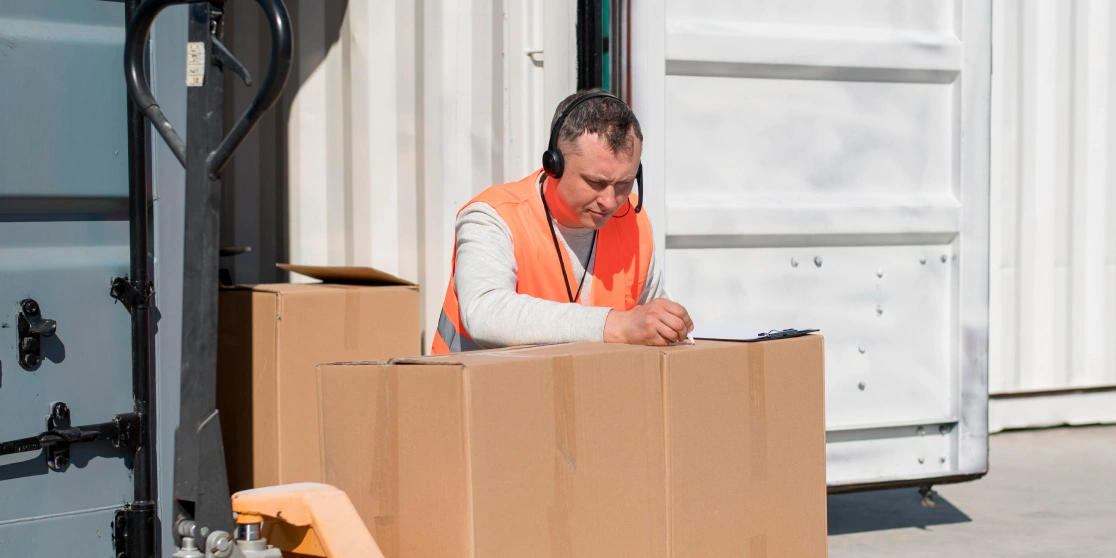
Cross-docking is the practice of unloading goods from inbound delivery vehicles and loading them directly onto outbound vehicles. By eliminating or minimizing warehouse storage costs, space requirements and inventory handling, cross-docking can streamline supply chains and help them move goods to market faster and more efficiently.
Cross-docking usually takes place in a dedicated docking terminal in a warehouse, where inbound goods are first received at a dock and sorted according to their final destinations. They are then moved to the other side of the dock via forklift, conveyor belt or other equipment and loaded on outbound vehicles.
Pre-Distribution vs. Post-Distribution Cross-Docking
Pre-Distribution Cross-Docking
Products are received from multiple suppliers, consolidated into mixed product pallets, and delivered to the customer. Pre-distribution cross-docking is often used in retail environments where various products are needed at each store. This method is particularly effective in industries where a wide range of products is required, such as supermarkets
Post-distribution Cross-Docking
Products are received from a single supplier or manufacturing plant and sorted onto outbound trucks for many retail stores. Post-distribution cross-docking is often used for large quantities of a single product. This method is particularly effective in industries requiring large volumes of a single product, such as in a warehouse club setting.